Khwaja Script: A Beautiful Handwritten Font for Branding
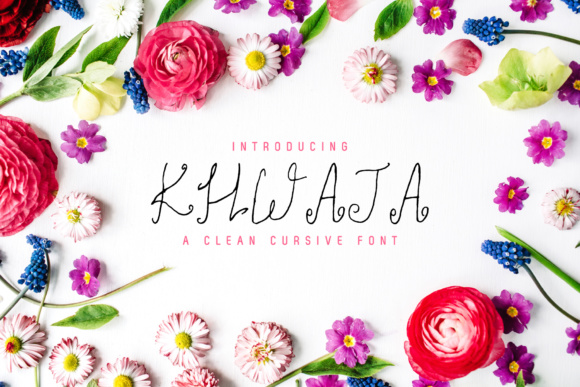
When every customer touchpoint matters, the smallest design choices can make the biggest difference. For small business owners, finding the right font often sits at the centre of that. Khwaja Script is a clean, classy handwritten brush font that feels both personal and polished. The three included weights give you flexibility without overwhelming you, and the overall look is warm enough for handmade goods yet refined enough for premium services. It’s not about trendy typography gimmicks—it’s about a typeface that helps your brand feel consistently trustworthy and recognisable, from a product label to an Instagram post.
Why Handwritten Fonts Help Small Businesses Stand Out
Customers are drawn to brands that feel human. A handwritten font like Khwaja Script carries a natural, unforced personality that stiff corporate typefaces often lack. It can make a logo look like it was signed by hand, a thank-you card feel genuinely personal, and a café menu appear as though it was chalked by a real person. For boutique owners, artisan makers, and service providers, that kind of authenticity often translates directly into stronger customer loyalty. The clean brush strokes in Khwaja Script keep the lettering legible while still retaining a sense of craft—something many small businesses need when they can’t afford custom hand-lettering for every project.
Where Khwaja Script Shines in Everyday Business Materials
Small business branding isn’t just about a logo. You need design assets that work across dozens of everyday items. Khwaja Script can serve as a display font for headlines, then shift to an accent typeface for supporting details. Here are some real-world applications where this script font fits beautifully:
- Logos and wordmarks – A bakery might use the bold weight of Khwaja Script for its shop name, creating a welcoming, hand-crafted feel without looking messy.
- Product labels and packaging – Handmade candle labels or organic soap boxes benefit from a typeface that mirrors the care put into the product itself.
- Menus and price cards – A café can use the medium weight for headings like “Seasonal Specials” paired with a readable sans serif for descriptions.
- Social media graphics – Pinterest pins and Instagram story covers often need a script font that jumps out on small screens. Khwaja Script’s clear shapes hold up well even when scaled down.
- Thank-you cards and stickers – Adding a short handwritten-style message builds a personal connection right in the package.
- Website banners and email headers – The lighter weight can breathe elegance into a hero image or a welcome offer without overwhelming the rest of the page.
The beauty of keeping a single font family across these touchpoints is the quiet consistency your customers start to recognise. When someone sees your shop’s name in Khwaja Script on a business card and later notices the same typeface on your website banner, it reinforces your brand identity without you having to say a word.
Creating a Consistent Look Across Your Brand
A recognisable brand doesn’t happen by accident. It grows when every element—colours, imagery, and typography—works together. Khwaja Script gives you three distinct weights, which means you can use the same font for large headlines, small labels, and everything in between while maintaining a cohesive visual story. That kind of simplicity is a real advantage for a small team or a solo entrepreneur who doesn’t have hours to spend juggling multiple font files. The light weight feels airy and sophisticated, ideal for beauty products or a wellness coach’s stationery. The bold weight carries enough presence for a boutique window decal or a packaging sticker that needs to be seen from across a market stall.
When you’re not switching between wildly different typefaces, your marketing feels less scattered. A customer might first notice your brand through a flyer, then recognise the same personality on your website, then later see it on the packaging when their order arrives. That repeated recognition builds trust—something every small business owner wants.
Practical Tips for Using Khwaja Script Without Sacrificing Readability
Handwritten and script fonts can be tricky if they’re asked to do too much. Khwaja Script works best as a display typeface or an accent font. Use it for the words you want people to notice first: a product name, a headline, a quote on a social media graphic. For longer blocks of text—like product descriptions or the paragraph on a menu—pair it with a clean sans serif or a simple serif font. That contrast gives the eye a resting place while still letting the handwritten personality lead.
Test readability in the places your customers actually engage. A label that looks gorgeous on a desktop screen might become hard to decode when printed on a curved candle jar and viewed under dim shop lighting. Likewise, a script-heavy Instagram story might frustrate someone glancing quickly on a mobile screen. Print a few samples and view your designs at real-world sizes. Khwaja Script’s letterforms are clear, but every business context is different, and small adjustments—like bumping up the font size or increasing letter spacing—can make information accessible without losing the aesthetic.
Real-World Examples: How Different Businesses Could Use Khwaja Script
Let’s imagine a few small businesses and how this premium font might fit into their daily design needs:
- Bakery: The shop name sits in Khwaja Script bold on a window decal. Cake flavour labels use the light weight, and weekly specials on Instagram stories combine the medium weight with a muted background photograph. The result feels homemade but never amateur.
- Handmade candle brand: The candle vessel features a small circular sticker with the scent name in Khwaja Script. The same typeface appears on the thank-you note tucked into each order. Customers start associating that particular script with the brand’s care.
- Beauty and skincare line: A serum bottle uses the light weight for the brand name, paired with a minimal sans serif for ingredients. On social media, the medium weight pulls quotes from customer reviews, adding softness to the grid.
- Coaching or wellness business: A life coach uses Khwaja Script on a welcome packet cover and in the headers of a digital workbook. The font feels calm and approachable, matching the service’s tone.
- Boutique clothing shop: Hang tags, loyalty cards, and sale announcement flyers all share the same font family. Even when a customer doesn’t consciously notice, the repetition quietly reinforces the brand.
These aren’t imaginary scenarios. They’re simple, repeatable ways an expressive typeface like Khwaja Script can become the thread linking your entire visual presence.
Pairing Khwaja Script with Other Fonts
Font pairing doesn’t need to be complicated. When you have an ornate or highly stylised font like Khwaja Script, the safest partner is often a clean, neutral sans serif such as Open Sans, Montserrat, or Lato. The sans serif handles the body text or secondary information while the script font handles the personality. If your brand leans more traditional, a readable serif font like Merriweather or Playfair Display can create a warm, classic combination. The key is contrast: let Khwaja Script be the star, and choose a quiet supporting typeface that doesn’t fight for attention.
Another approach is to use different weights of Khwaja Script together—for example, the bold for the main headline and the light for a subheading—combined with a basic sans serif for everything else. This keeps the number of fonts low while still offering visual texture. Small businesses often benefit from a minimal type palette because it makes templates faster to build and easier to hand off to a virtual assistant or a part-time social media manager.
A Quick Note on Font Licensing for Commercial Use
Before you place Khwaja Script on a product that will be sold, on packaging that ships to customers, or on a logo you plan to trademark, check the commercial font license. Many Script Amp and Fonts assets are intended for personal use by default, and extending that to business use—especially for physical merchandise, client work, or digital downloads—usually requires an additional license. It’s a quick step that protects you legally and respects the type designer’s work. If you’re using Khwaja Script for a client project, make sure the license covers that as well. When in doubt, always confirm before things go to print.
Test It Before You Commit
You don’t need to redesign your entire brand overnight. Start with one project. Maybe it’s the header of your next newsletter or the label for a limited-edition product. See how the font behaves in different sizes, against your brand colours, and on the materials you actually use. Pay attention to how your customers respond. A handwritten brush style might perform beautifully for a candle brand but feel out of place for a tech startup—and that’s fine. The goal is to find a typeface that aligns with your audience’s expectations and your own brand voice.
Khwaja Script can quickly become the visual signature that ties your brand together, but only if it genuinely fits. Try it on a few Instagram posts, then a product label, then maybe a thank-you card. As you expand its use, you’ll likely notice that your marketing starts to feel more unified. The bakery sign looks related to the coffee sleeve. The coaching worksheet echoes the website banner. That’s the quiet power of sticking with a well-chosen handwritten font across the places your customers already see you.
For the independent creator, finding a font that feels both beautiful and useful is never just about aesthetics. It’s about simplifying decisions, saving design time, and building a brand identity that people remember. Khwaja Script offers a clean, classy personality and enough flexibility through its three weights to support a small business at every stage—from the first market stall to a full online shop. When your logo, your packaging, your posts, and your products all speak the same visual language, you show up as the professional, reliable, and human brand you’ve always wanted to be.